Su Vista Marketing For Roofers
Marketing For Roofers By Roofers

SEO Reporting for Roofing Companies
Most roofing companies do not fail at marketing because they lack effort. They fail because they cannot see what is working, what is wasting money, and what needs to change next. That is why SEO reporting matters for roofing companies. A clean report connects google visibility, roofing website activity, customer behavior, and job quality in one place.
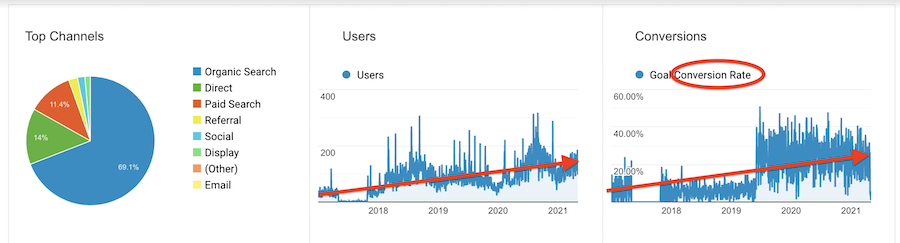
Without reporting, a roofing contractor is guessing. The owner may know calls came in, but not which channel brought them. The team may see traffic in google analytics, but not know whether the traffic came from useful service terms. A report should turn noise into decisions. It should show how SEO, google, content, and local search are helping the business earn more customers.
The goal is not to bury owners in charts. The goal is to show whether roofing SEO is producing results, where the contractor is gaining ground, and which pages need more work. Strong reporting helps contractors understand the value of SEO services without needing to become SEO experts.
Why SEO Reporting Matters for Roofing Companies
Roofing is a high-intent industry. Customers usually search when they have a leak, storm damage, aging shingles, or a replacement need. That means google matters because google often controls who gets seen first. If a roofing company cannot measure its google performance, it cannot know whether its growth plan is building real demand or just creating activity.
Good SEO reporting shows more than rankings. It shows how many customers found the business online, which URL they visited, what keywords they used, and whether those visits became leads. It also shows whether google is understanding the contractor properly across service pages, city pages, blog content, and the Google Business Profile.
Organic reporting also protects the business from weak campaigns. An owner should not accept vague updates like traffic looks better or the campaign is improving. Reports should show results clearly. They should explain what changed, why it changed, and what strategy comes next.
What a Roofing SEO Report Should Include
A useful report should start with the numbers that matter most to the business. For most roofing contractors, that means calls, form submissions, quote requests, and direction requests from google. Traffic has value, but only when it brings the right customers.
The report should also show search visibility. This includes rankings for important keywords, growth in google impressions, clicks from google search, and movement for each priority URL. A roof repair page, roof replacement page, emergency roof repair page, and city URL should not be judged the same way. Each URL has its own purpose.
A good roofing SEO report should include google analytics data, Google Search Console data, Google Business Profile activity, keyword research updates, landing page performance, and conversion tracking. It should also include notes on technical health, metadata, sitemap status, and any ranking factors that may affect performance.
The most useful reports do not dump data on the owner. They translate data into insights. For example, a report may show that a roofing URL has strong impressions in google but low clicks. That means the title, description, or offer may need improvement. Another URL may get clicks but no conversions. That means the content, form, layout, or call-to-action may be weak.
Tracking Google Search Performance
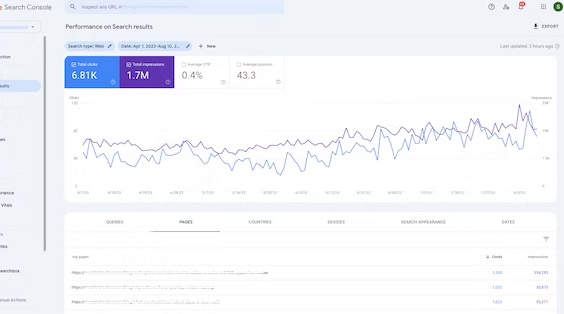
Google Search Console is one of the best tools for roofing SEO reporting because it shows how google sees the website. It reveals impressions, clicks, average position, and search terms connected to each page. This matters because roofing keywords can look similar but have different intent.
For example, a keyword like roof repair cost may belong in a blog, while roof repair near me should support a service URL. A roofing contractor that mixes these intents can confuse google and weaken results. Reporting helps separate educational content from conversion-focused pages.
Search Console can also show whether google is rewarding the right service areas. If a blog is ranking for a service query, the company may need a stronger service URL. If a city URL is getting impressions but staying on page two, the business may need better local SEO, stronger internal links, or more specific local content.
This is where keyword research becomes practical. The goal is not to chase every term. The goal is to identify keywords that match real customer demand and match them to the right page. That is how a company can get your roofing website ranking for searches that bring qualified leads.
Watching Click-Through Rate, Not Just Ranking Factors
Rankings are important, but they do not tell the whole story. A roofing page can show up often in Google and still fail to bring in enough visitors. That is why click-through rate should be part of every SEO report.
Click-through rate shows how often people click after seeing the page in search results. If a roof replacement page has strong impressions but weak clicks, the problem may be the title, description, offer, or search intent. The page may be visible, but not compelling enough.
For example, a title like “Roof Replacement Services” may be accurate, but it is not very strong. A title that mentions the service area, free estimate, financing, or emergency support may earn more attention. The report should help identify these opportunities.
This is one of the easiest ways to improve SEO performance without writing an entirely new page. Sometimes the page already has visibility. It just needs a better reason for homeowners to click.
Tracking Google Business Profile Performance
For many roofing contractors, Google Business Profile performance is just as important as the website. Local map visibility can drive phone calls, direction requests, website visits, and trust. A roofing contractor that ignores this data is missing a major part of local search.
A report should show how customers found the profile, what actions they took, and whether google is showing the business for the right services. It should also track reviews, photos, service updates, and post activity. These details support local SEO and help improve online trust.
The report should not treat Google Business Profile as a separate island. It should connect the profile to the website, the service pages, and the overall roofer SEO plan. When a company uses consistent service language across the profile and pages, google gets clearer signals.
Choosing the Right Keyword Focus
Not every keyword has the same value for a roofing company. Some show that a customer is ready to take action, while others show that they are still researching. For example, someone searching “roof replacement near me” is much closer to booking an estimate than someone searching “how long does a roof last.” Both searches matter, but they should not be handled the same way. Service-based keywords belong on service webpages, city keywords belong on local pages, and educational keywords belong in blog content. A strong SEO report should show which keywords are gaining visibility, which pages they connect to, and whether those searches are turning into conversions. This helps the company stop chasing random rankings and focus on the terms that can bring in better customers.
Tracking Page Performance
Every roofing URL should have a job. A roof replacement URL should move customers toward an estimate. A repair URL should build urgency and trust. A financing URL should answer cost concerns. City URLs should prove the company serves that market.
SEO reporting should show whether each URL is doing its job. A URL may rank well but fail to convert. Another URL may have good content but no visibility. Another URL may bring traffic from the wrong search intent. These are different problems, and each one needs a different fix.
Reports should review page views, entrances, engagement, calls, forms, and google search queries tied to each URL. They should also compare similar pages. If one city URL performs better than another, the business can look at content depth, reviews, internal links, photos, and offer clarity.
This is where your website content needs to be judged honestly. If the content sounds generic, google may struggle to understand what makes the contractor useful. Customers may also leave because the website does not answer their real concerns.
Understand Your Target Audience
The best SEO report does not stop at rankings. It follows the path from search to lead. Roofing companies need to know how many inquiries came from organic traffic, how many came from google maps, and how many became real jobs.
Call tracking helps connect marketing to revenue. Form tracking does the same. A strong report should separate good inquiries from junk inquiries. It should also show which services and terms produce better customers.
This matters because not all roofing inquiries are equal. A small repair inquiry is different from a full replacement inquiry. A commercial inquiry is different from a homeowner asking for a quick patch. Better reporting helps the business adjust its strategy toward higher-value work.
A contractor should also compare SEO with advertising. Paid campaigns can create quick activity, but organic search can compound over time. When both channels are tracked well, the company can see how digital marketing is supporting growth across multiple paths.

Connecting SEO Reports to Booked Roofing Jobs
A roofing SEO report should not stop at calls and form submissions. Those numbers matter, but they do not tell the full story. The better question is whether those inquiries became inspections, estimates, signed jobs, or repeat customers.
This is where call tracking, form tracking, and CRM data become important. A roofing company should know which pages and search terms are creating real opportunities. A roof replacement inquiry from a qualified homeowner is very different from a small repair question outside the service area. Both may count as leads, but they do not carry the same value.
A useful report should separate raw leads from qualified ones. It should also show which jobs came from organic search, Google Business Profile activity, paid ads, referrals, or repeat customers. When that information is tracked correctly, the business can see which marketing efforts are producing revenue instead of just activity.
This also helps roofing contractors make better budget decisions. If organic search is producing high-quality roof replacement leads, the company may need more SEO content and stronger service pages. If paid ads are producing calls but not booked jobs, the issue may be targeting, landing page quality, or follow-up speed. Reporting should help the owner see the difference.
How Reports Should Guide Roofing Marketing SEO Strategy
A report is only useful if it leads to action. If google impressions are rising but clicks are flat, improve titles and descriptions. If clicks are rising but calls are flat, improve the offer. If rankings are stuck, strengthen content, internal links, location signals, and trust proof.
Roofing SEO reports should also help the company decide which content to build next. If search data shows demand for metal roofing, flat roofing, storm damage, or emergency repair, those services may deserve priority. If city-level queries are growing, the company may need more service-area content using location-specific keywords.
A clean report also helps owners avoid random decisions. Instead of guessing, the business can decide based on results. That is how digital marketing becomes a system instead of a monthly expense.
Common Problems Hidden by Weak Roofer SEO Reports
Weak reports often focus on vanity metrics. They show traffic but not lead quality. They show rankings but not calls. They show charts but not decisions. That is not reporting. That is decoration.
Another problem is reporting without context. A contractor may see a ranking drop and panic, but the drop may affect a low-value keyword. Another URL may lose traffic but gain better leads. Without context, google data can be misleading.
Some reports also ignore technical issues. Broken links, slow URLs, crawl problems, duplicate content, and missing indexation can hold back roofing SEO. A report should flag these problems before they become expensive.
Finally, weak reports often hide work behind jargon. Owners should not need a dictionary to understand their marketing. A report should explain SEO in plain language and tie every recommendation back to business goals.
What Roofing Companies Should Expect From a Reporting Partner
A good reporting partner should explain what happened, what it means, and what happens next. The team should receive clear updates on google performance, page movement, calls, customers, and content priorities.
The report should also be honest. If results are flat, say why. If content is weak, explain what needs to change. If the market is competitive, show the gap. Roofing contractors need truth, not soft language.
A strong digital marketing partner will also connect reporting to execution. It is not enough to say content needs improvement. The team should know whether to rewrite content, improve internal links, update title data, add proof, improve the call-to-action, or build supporting pages.
This is especially important for roofing SEO because the industry is competitive in most markets. Many businesses are fighting for the same google searches. The contractor with better data, stronger execution, and clearer strategy usually has the advantage.
SEO Monthly Reporting Checklist
A strong monthly report should give roofing companies a clear view of what is working and what needs attention. It should not overwhelm the owner with random charts or disconnected numbers. The goal is to connect SEO activity to real business outcomes.
Each report should review Google Search Console data, Google Business Profile activity, website traffic, lead tracking, and page-level performance. This helps the company see which roofing pages are gaining visibility, which keywords are improving, and which services are producing the best leads.
The report should also explain what changed during the month. Did a roof replacement page move closer to page one? Did a local service page start getting more impressions? Did a blog bring in traffic but fail to produce customers? These details matter because they show whether the SEO strategy is moving the business in the right direction.
A good report should also include next steps. For example, the company may need stronger internal links, updated website content, more location-specific pages, or improved calls to action. Reporting should not just describe performance. It should guide the next round of marketing work.
For roofing contractors, the best reports are simple, direct, and tied to revenue. Rankings matter, but calls, forms, booked estimates, and customer quality matter more.
Roofing SEO Services
SEO reporting should not be a confusing spreadsheet. It should be a decision-making tool. It should show how google visibility, search performance, page quality, map activity, and revenue generation work together.
When done right, roofing SEO reporting helps a business understand where it stands, where it is growing, and where it is losing opportunities. It gives the company better insights, better marketing decisions, and a stronger path to more customers.
If your roofing company wants clearer online growth, reporting is the starting point. The right report shows what is working, what needs attention, and how to turn google visibility into real inquiries.
Free Strategy Call - Book Today
You will walk away with a plan for how to grow to the next level for your company.