Su Vista Marketing For Roofers
Marketing For Roofers By Roofers

Local SEO Steps for Roofers That Help You Rank and Generate Better Leads
If your roofing company wants more calls from nearby homeowners, local SEO has to be part of the plan. It helps your business show up when people search for roof repair, replacement, inspections, and storm damage help in your area. It also helps your company appear in Google Maps, stronger local results, and the search listings that often drive the best roofing leads.
A lot of contractors put money into marketing, ads, and website updates but still struggle to grow. In many cases, the problem is not effort. It is structure. Strong SEO starts with clear business signals, useful content, solid service area targeting, and a website that supports trust.
Below are the steps roofers should focus on to improve local ranking, strengthen roofing SEO, and create a better system for long-term marketing growth.
Free Strategy Call
You will walk away with a plan for how to grow to the next level for your company.
Start With Accurate Business Information
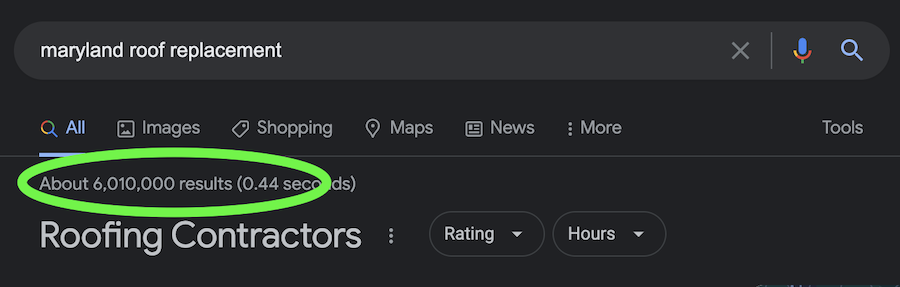
The first step is consistency. Search engines want to see the same business details across your website, your Google listing, and the directories that mention your company. That includes your business name, phone number, address, and core service details.
If those details are inconsistent, your SEO can weaken. Google may have a harder time trusting the business information tied to your brand. That is why you need to set one standard version of your contact details and use it everywhere.
For example, if one listing shows a different phone number or an outdated address, that mismatch can create confusion. A clean foundation makes it easier for Google to connect your roofing business to the right local searches. It also makes your broader advertising more effective because all your business data points in the same direction.
Google Business Profile Optimization
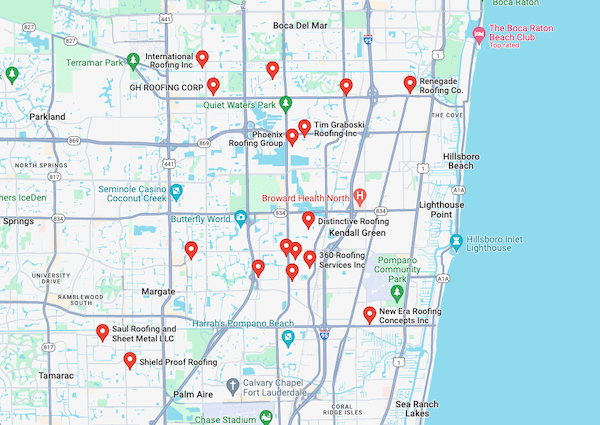
One of the most important parts of optimizing for local searches is mastering your Google Business Profile. For many homeowners, this is the first thing they see before they ever click your site. That means your business profile needs to reflect the quality of your work and the areas you serve.
To optimize your Google Business Profile, fill out every major section. Choose the correct categories, lists services clearly, upload real project photos, and write a strong business description. Good business profile optimization can improve visibility in Google Maps and help your company compete more effectively in local search. If customers visit your office, add your address. If they do not, make sure your service area settings are accurate. A strong Google Business presence helps reinforce your location relevance and gives Google better context around your business.
Do not treat this listing like a one-time task. Keep it active. Update photos, respond to questions, and monitor changes regularly. This is one of the most practical ways to improve SEO without overcomplicating the process.
Create Stronger Location Pages for the Areas You Serve
A common mistake in SEO is expecting one broad page to rank across every city. That usually limits growth. If your roofing company serves several towns or counties, your website should have dedicated pages tied to those real service areas. A city page should not be a weak copy of another page with only the city name changed. Thin content will not help much, and it can make your site feel generic.
Instead, write information that speaks to the actual needs of that market. Mention common roof issues, weather concerns, neighborhood housing styles, or the kinds of jobs your team handles there. This makes the content more useful and helps search engines connect your site to local demand. Well-built webpages also improve your marketing because they create more targeted entry points into the places you want to grow. When homeowners search for a roofer in their city, they want a page that feels relevant to that exact area.
Improve Website Structure for Local SEO
Your website still does the heavy lifting, so it needs to reinforce your local goals clearly. Make sure your main service details are easy to find. Important webpages should be accessible from the main navigation or nearby internal links. Put your contact details in the header/footer so users can quickly see where you work and how to reach you.
A cleaner site structure also helps SEO because it connects your content, service topics, and location signals in a more organized way. This is one of the simplest ways to optimize your website without making it overly complicated.
Turn Reviews Into a Trust Signal
Reviews are one of the strongest trust signals in local search. They help homeowners feel more confident, and they also improve visibility across local Google results. Ask satisfied customers for reviews after the work is completed. Make the process easy and consistent. The more organized your request process is, the more likely you are to build a steady flow of reviews over time. Then respond to those reviews. Thank customers, stay professional, and mention the services you provided when it fits naturally. That extra activity shows your business is active and engaged.
A lot of contractors do great work but leave too much to chance. They wait and hope people leave reviews instead of building a process that encourages them. Better reviews can strengthen trust, improve visibility, and help support stronger SEO performance.
Publish Content That Supports Local Search Behavior
Useful content helps your site do more than rank for one or two core terms. It gives your business more ways to answer questions and build authority in your market.
For roofers, that can include articles about storm damage, roof leaks, replacement signs, insurance questions, maintenance issues, and common problems in your area. This kind of content supports your main page while helping your company show more experience and relevance.
It also strengthens marketing because good information can be reused across email, social posts, and even ads. When a page answers real homeowner questions, it becomes more valuable than generic filler. Choose your keywords carefully. Some keywords belong on service pages. Others belong in blog articles. A smarter structure keeps your SEO cleaner and helps prevent overlap between webpages.
Strengthen Your Authority With Signals
Your website is important, but it is not the only thing Google looks at. Strong SEO also depends on outside trust signals that build your credibility. That can include citations, community mentions, manufacturer links, sponsorships, and a healthier backlink profile over time. These signals show that your business exists beyond its own website. They can also create stronger local authority.
Many contractors get distracted by low-value shortcuts. They buy weak links, throw money into random ads, or follow bad digital marketing advice that does not hold up. A better approach is to focus on real signals that strengthen your brand and improve long-term marketing. This applies across home services. Search engines want to see clear market relevance and real proof that a company is established in its area.
Use Paid Ads to Support Your SEO Strategy
A lot of businesses treat SEO and ads like competing options. That is the wrong way to look at it. Both can work together when they are aligned around the same service priorities and local goals.
Ads can help you test a city before building out more webpages. They can also improve your marketing during busy storm seasons or slower months. Meanwhile, SEO helps create long-term visibility that does not disappear the moment you stop spending.
The goal is not to choose one or the other. The goal is to use both where they make sense. A well-rounded marketing plan often combines organic growth with strategic ads so your company has both short-term support and long-term strength.
Review Results and Refine Your Strategy
No contractor reaches top search rankings by setting things up once and walking away. Strong SEO takes regular review. Look at which pages are getting traffic, which service terms are driving calls, and which area targets are gaining traction. This is where you can learn a lot from performance. Check which keywords improve over time. Review what customers mention in your reviews. Study where leads are coming from. The right data helps you learn what deserves more attention and what needs to be improved.
You should also set time aside to review your website, profile activity, and overall marketing direction. A simple monthly checklist can help keep things organized. When you review consistently, your SEO becomes easier to improve.
Grow Your Roofing Business with SEO
For roofers, local SEO is most effective when it reflects real experience in the markets you serve. Homeowners want to hire a company that understands local weather patterns, common roofing issues, neighborhood housing styles, and the expectations that come with working in that area. That is why strong SEO depends on more than keywords research. It depends on useful service content, accurate business information, visible proof through reviews and project photos, and a website that shows real expertise. Those trust signals help search engines understand relevance, and they help property owners feel more confident about reaching out.
Ready to Get More Local Roofing Leads
A lot of roofing companies invest in marketing without fixing the local SEO issues that hold them back. Weak local signals, thin city webpages, low review activity, and underused Google Business listings can all limit visibility, even when the company does excellent work in the field.
Su Vista helps roofing companies turn SEO into a real lead source. From content planning and location page strategy to review growth and Google Business improvement, the focus is on helping contractors show up where homeowners are already searching. If your current SEO is not producing enough local opportunities, it may be time for a stronger plan.
Free Strategy Call - Book Today
You will walk away with a plan for how to grow to the next level for your company.